
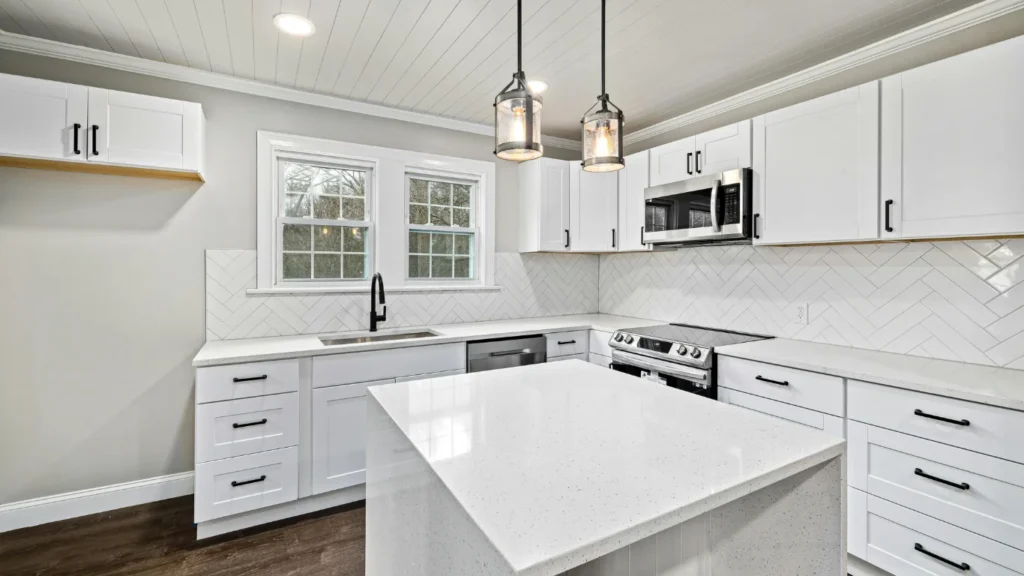
Planning a kitchen remodel can be both exciting and overwhelming. With the right approach, it becomes a rewarding investment that improves functionality and boosts home value. This ultimate guide to kitchen remodeling offers layout planning tips tailored to every home, ensuring the space becomes practical, stylish, and efficient.
The Ultimate Guide to Kitchen Remodeling: Understanding Layout Planning Basics
Before selecting materials or colors, it’s essential to focus on layout planning. The layout forms the backbone of a successful kitchen remodel, impacting how you move through and use the space daily. The most common layouts include galley, L-shaped, U-shaped, and open-concept designs. Each configuration has its advantages, and the best choice depends on your kitchen’s size, shape, and usage.
The work triangle principle—connecting the stove, refrigerator, and sink—remains a fundamental concept in layout design. An efficient triangle reduces unnecessary steps while cooking and keeps the workflow smooth. When planning, ensure each leg of the triangle is not too long or short and that the pathways remain free of obstructions.
Storage and counter space are critical elements of any kitchen layout. Strategically place cabinets, drawers, and pantry units where they are most needed. Maximizing vertical space with upper cabinets or open shelving can also help keep the kitchen organized. Ample counter space around appliances and prep zones makes the kitchen more functional for daily use.
The Ultimate Guide to Kitchen Remodeling: Tailoring Layout Planning to Your Home
Every home is different, so layout planning should reflect the household’s lifestyle. For example, a family with children might prefer an open layout with an island that doubles as a homework station, while a couple who loves cooking may benefit from a galley layout with high-end appliances and abundant prep areas.
Lighting also plays an important role in layout planning. Position work areas near natural light sources when possible, and use layered lighting for better visibility. Task lighting under cabinets and pendant lights above islands or peninsulas add both style and function.
Traffic flow is another essential aspect to consider. A poorly designed kitchen can feel cramped and frustrating. Ensure that major walkways are at least 36 inches wide and that appliance doors have enough clearance. If space allows, creating separate zones for cooking, cleaning, and entertaining can enhance usability.
Hiring a professional kitchen designer can bring additional insight and help fine-tune layout choices. They can assist in navigating building codes, incorporating modern technology, and selecting finishes that suit your vision.
By following the advice in this ultimate guide to kitchen remodeling and focusing on layout planning for every home, homeowners can create a kitchen that meets practical needs while reflecting personal taste. A well-planned layout turns the kitchen into a space where form and function blend seamlessly for everyday enjoyment.