
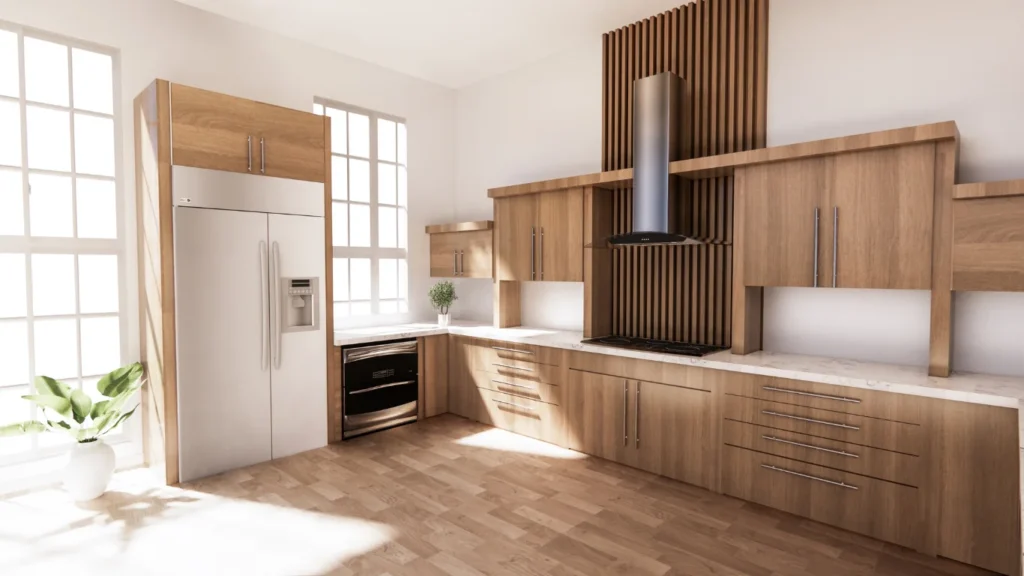
A successful kitchen remodeling project relies on thoughtful design and effective layout planning. Whether you’re updating an outdated kitchen or creating a brand-new space, the right approach can improve both functionality and aesthetics. With smart design and layout planning tips for successful kitchen remodeling, you can achieve a kitchen that is beautiful, efficient, and perfectly suited to your lifestyle.
Key Design Elements for Smart Kitchen Remodeling
When starting a kitchen remodeling project, incorporating smart design is essential to create a space that meets your needs. One of the most important factors is the kitchen work triangle, which refers to the optimal placement of the sink, stove, and refrigerator. This classic design principle minimizes movement between essential areas, improving workflow and convenience. Ensure these three points are within easy reach while allowing sufficient space for movement.
Maximizing storage is another critical design element. Consider custom cabinetry solutions such as pull-out shelves, deep drawers, and built-in organizers. Vertical storage, including tall cabinets and open shelving, can also optimize space. If your kitchen layout allows, adding an island can provide extra counter space, storage, and a casual dining area.
Lighting is another key consideration in smart design. A well-lit kitchen requires a combination of task lighting, ambient lighting, and accent lighting. Under-cabinet lights are ideal for illuminating work surfaces, while pendant lights can add a stylish touch over an island or dining area. Consider incorporating natural light through windows or skylights to brighten the space and create an inviting atmosphere.
Choosing durable materials is also crucial for a successful kitchen remodeling project. Opt for high-quality countertops, such as quartz or granite, that can withstand daily use. For flooring, materials like tile or hardwood offer both durability and aesthetic appeal. When selecting finishes, ensure they complement your overall design style while providing practical benefits.
Effective Layout Planning Tips for a Functional Kitchen
Smart layout planning is the foundation of a well-organized and functional kitchen. Start by assessing how you use your kitchen daily and identify areas where improvements can be made. Ensure there is enough room for traffic flow by maintaining at least 36 inches of clearance for walkways and 42 inches around major appliances. This ensures the kitchen remains accessible and easy to navigate, even during busy times.
When planning your kitchen layout, think about the placement of appliances and how they will be used. For example, position the dishwasher near the sink to make cleaning more efficient. Keep the microwave at a convenient height, especially if you have children, and ensure the refrigerator is easily accessible without disrupting cooking zones. Built-in appliances can provide a streamlined appearance and save space in smaller kitchens.
Consider creating specialized zones within the kitchen to improve efficiency. A dedicated prep area with easy access to utensils and ingredients can simplify meal preparation. Designate a baking zone with appropriate storage for pans and mixing bowls, and create a coffee station for quick morning routines. Each zone should be tailored to fit your lifestyle and cooking habits.
Another important aspect of layout planning is ensuring adequate counter space. Plan for at least 15 inches of counter space on either side of the stove and sink for food preparation. If you entertain frequently, an island with additional seating can provide both functional workspace and a social hub.
By following these smart design and layout planning tips for successful kitchen remodeling, you can create a kitchen that is as functional as it is visually appealing. Thoughtful planning allows you to design a space that supports your daily routines while enhancing the overall comfort and style of your home.
Read More:
How to Master Design and Layout Planning for Your Kitchen Remodeling Project
Kitchen Remodeling: Key Considerations for Effective Design and Layout Planning