
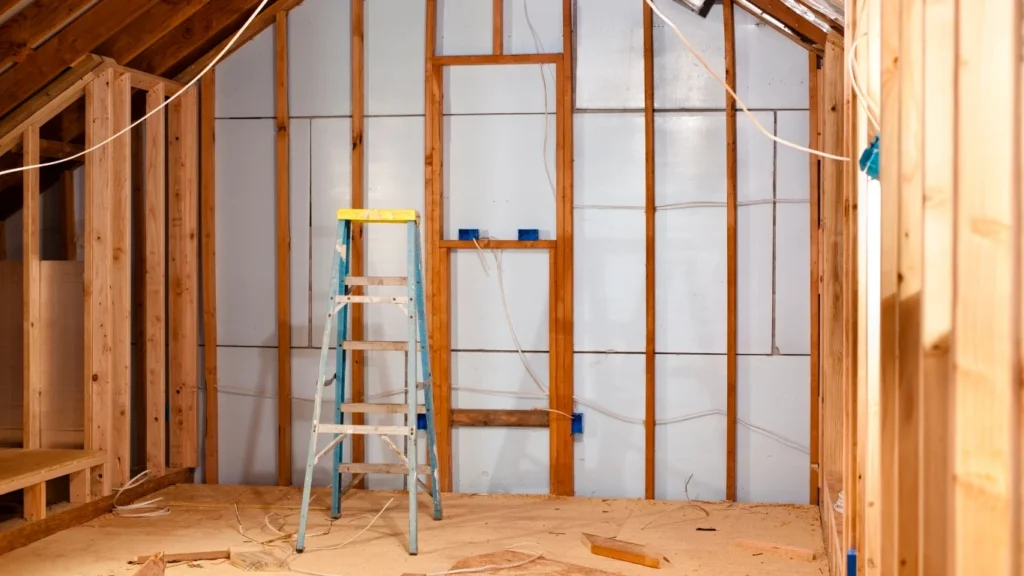
When it comes to expanding your home, room additions can be an excellent solution for increasing both comfort and value. Whether you’re adding a new bedroom, home office, or sunroom, proper planning and thoughtful design are essential. Making the right decisions early on helps you avoid costly mistakes and ensures that your new space meets your needs and lifestyle.
Room Additions: Expert Tips for Planning a Seamless Home Expansion
Start with a clear understanding of your goals for the room addition. Identify the purpose of the new space and how it will function within your existing home layout. This will help guide decisions related to size, location, and layout. It’s also a good idea to consider your future needs so that the space remains functional over time.
Consult with a licensed contractor or architect early in the planning phase. These professionals can assess your property and provide advice on what is structurally possible and compliant with local building codes. They can also assist in developing detailed plans that blend the new addition seamlessly with your current structure, both visually and functionally.
Before construction begins, check with your local municipality about zoning laws, permits, and setback requirements. Many areas have rules that dictate how close you can build to property lines or how tall structures can be. Failing to secure the proper approvals can result in delays or legal complications down the line.
Budgeting is another critical step. Beyond construction costs, make sure to account for permits, design fees, and potential upgrades to your electrical or HVAC systems. Setting aside a contingency fund of about 10-15% of your total budget can help cover any unexpected expenses that arise during the project.
Room Additions: Expert Tips for Designing a Functional and Stylish New Space
When designing the room addition, aim for cohesion between the old and new parts of your home. Use matching or complementary materials, finishes, and architectural details to maintain a consistent aesthetic. This helps the new space feel like a natural extension rather than an afterthought.
Think about how the new room will flow with adjacent spaces. Consider traffic patterns, sightlines, and natural lighting. For example, if you’re adding a family room, it should be easily accessible from the kitchen or main living area. Proper window placement and open layouts can also help the new space feel bright and welcoming.
Incorporate storage solutions into your design to increase the functionality of the room. Built-ins, closets, and smart furniture choices can keep the space organized and clutter-free. Even in smaller additions, efficient storage options can significantly improve usability.
Finally, choose design elements that align with the purpose of the room. A home office might benefit from built-in shelves and ample outlets, while a guest bedroom should offer privacy and comfort. Room additions are an investment in your home and quality of life, and thoughtful planning and design can make the project truly worthwhile.
Read More:
A Complete Guide to Planning and Designing Successful Room Additions