When it comes to choosing the right roofing material for your home, it’s important to weigh the pros and cons of various options. Different roofing materials offer distinct benefits and drawbacks depending on factors such as climate, budget, and the longevity of the material. In this article, we’ll explore the pros and cons of popular types of roofing materials to help you make an informed decision for your home.
Asphalt Shingles: A Budget-Friendly Option with Limitations
Asphalt shingles are one of the most commonly used roofing materials due to their affordability and ease of installation. The pros of asphalt shingles are clear—they are inexpensive compared to other materials, which makes them an attractive option for homeowners on a budget. They also come in a variety of colors and styles, making it easy to match your home’s aesthetic. Additionally, asphalt shingles are relatively easy to repair and replace.
However, asphalt shingles do have some downsides. While they typically last between 20 to 30 years, they are not as durable as other materials like metal or slate. They can be prone to damage from extreme weather conditions such as strong winds, heavy rain, or hail. Asphalt shingles also provide limited energy efficiency and may need to be replaced more frequently than other roofing materials, which could add to long-term costs.
Metal Roofing: Durability and Energy Efficiency
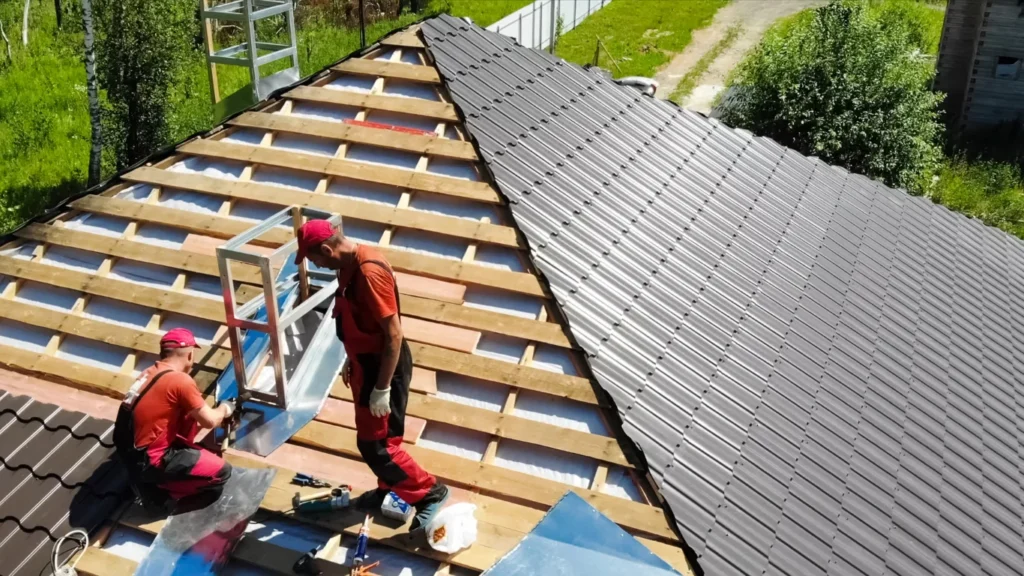
Metal roofing is gaining popularity due to its remarkable durability and energy efficiency. One of the biggest advantages of metal roofs is their longevity—they can last anywhere from 40 to 70 years, depending on the material. Metal roofing is highly resistant to extreme weather conditions, including heavy rain, snow, and strong winds. It’s also fire-resistant and requires minimal maintenance, making it a low-maintenance roofing choice.
In addition to durability, metal roofs are energy efficient. They reflect sunlight, which can help keep your home cooler in the summer and reduce cooling costs. Some metal roofing systems even offer energy-saving coatings that enhance their performance. While metal roofing is more expensive than asphalt shingles, its long lifespan and energy-saving properties make it a good investment in the long run.
On the downside, metal roofs can be noisy during heavy rain or hail. Additionally, they may dent from falling debris, and installation can be more complex and expensive than other roofing materials. Some homeowners also find the aesthetic of metal roofs less appealing, as they may not suit certain home styles.
Slate Roofing: Beauty and Longevity with High Costs
Slate roofing is a premium option known for its beauty and exceptional durability. Slate is a natural stone that can last over 100 years, offering one of the longest lifespans for roofing materials. Its natural, timeless look adds significant curb appeal and can make a home stand out. Slate is also fire-resistant and offers excellent protection against the elements.
Despite its advantages, slate roofing has some notable disadvantages. The material is heavy and requires special structural support, which can make installation more complicated and costly. Slate roofs are also among the most expensive roofing materials, both in terms of initial installation and maintenance. Additionally, slate is prone to cracking, so it may require repairs if damaged.
Choosing the Best Roofing Material for Your Home
When considering the pros and cons of popular types of roofing materials, it’s important to consider your home’s needs, your budget, and the local climate. Asphalt shingles may be perfect for those on a budget, while metal and slate offer greater durability and longevity but come with higher upfront costs. Each material has its strengths and weaknesses, so understanding your priorities will help you make the best decision for your home’s roof.
Read More:
Top Roofing Materials You Should Consider for Durability and Aesthetics
Exploring the Different Types of Roofing Materials for Your Home