
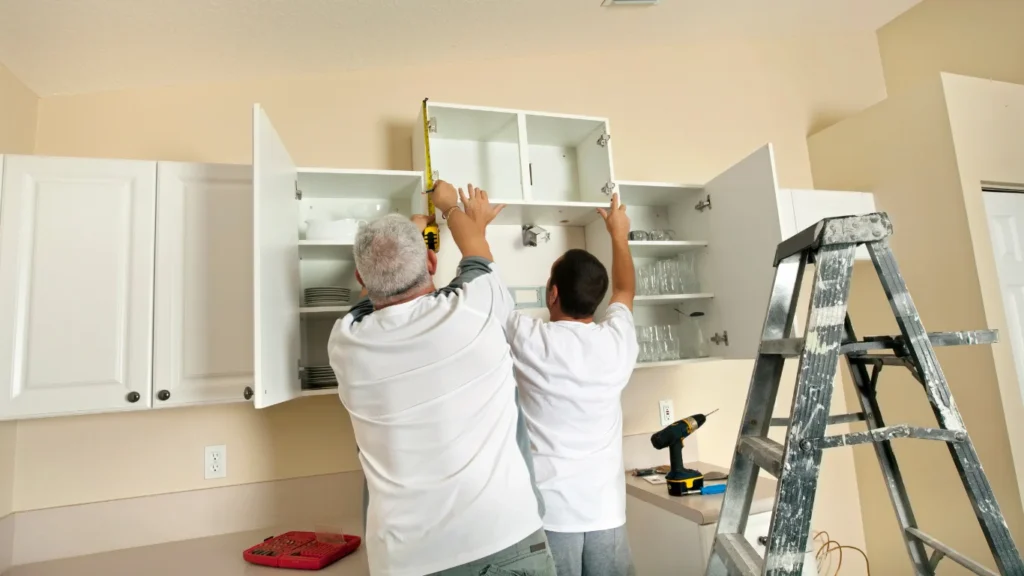
Designing a functional and beautiful kitchen begins with a well-thought-out layout. Kitchen remodeling is a significant investment, and proper planning can make the difference between a chaotic renovation and a successful transformation. With the right approach, homeowners can create a kitchen that meets both aesthetic and practical needs. By considering flow, space usage, and design elements early on, it becomes easier to build a space that enhances daily life.
Kitchen Remodeling Design Tips for Maximizing Workflow and Space
One of the most important kitchen remodeling design tips is to focus on the kitchen work triangle. This concept connects the stove, sink, and refrigerator, creating an efficient flow between the most used areas. A layout that honors this triangle minimizes unnecessary steps and makes meal prep easier. Whether you’re designing a U-shaped, L-shaped, or galley kitchen, maintaining this balance helps with overall functionality.
Another tip is to evaluate storage needs early in the planning process. Incorporating deep drawers, pull-out shelves, and vertical cabinets can help utilize every inch of available space. Think beyond just upper and lower cabinets; islands, corner units, and built-in pantry systems can add storage without crowding the room. A clutter-free kitchen not only looks better but also functions more efficiently.
Lighting plays a major role in kitchen remodeling, and proper illumination is key to good design. Layered lighting, which includes ambient, task, and accent lighting, can help brighten the space and define zones within the layout. Under-cabinet lighting, for example, provides visibility for cooking tasks, while pendant lights over an island create a focal point and add style.
How to Plan the Perfect Layout with Practical Kitchen Remodeling Design Tips
Choosing the right layout depends largely on your lifestyle. Open-concept kitchens are popular for entertaining and allow for more social interaction, while closed kitchens provide more privacy and can contain messes more effectively. When reviewing layout options, consider how you use your kitchen every day and choose a design that supports your routine.
Appliance placement is another crucial aspect. Ovens, dishwashers, and refrigerators should be positioned for easy access, but without interfering with foot traffic. Aim for enough counter space on either side of key appliances to simplify food preparation and cooking. A kitchen island can offer both additional prep space and a casual dining area, but it should not obstruct pathways or appliance doors.
Think about future needs as well. If your family is growing or if you often host guests, designing with extra seating or more durable surfaces might be a smart move. Materials should not only look good but also hold up to regular use. Quartz countertops, easy-to-clean backsplashes, and durable flooring choices contribute to a long-lasting kitchen design.
A successful kitchen remodel balances form and function. By following practical kitchen remodeling design tips and taking time to carefully plan the layout, homeowners can create a space that meets current needs while staying flexible for the future. A thoughtful layout lays the groundwork for a kitchen that is not only attractive but also highly usable every day.
Read More:
The Ultimate Guide to Kitchen Remodeling and Layout Planning