
[et_pb_section admin_label=”section”]
[et_pb_row admin_label=”row”]
[et_pb_column type=”4_4″][et_pb_text admin_label=”Text”]
Creating a kitchen that is both beautiful and functional requires detailed planning. This kitchen remodeling design and layout planning: tips for a functional space article explains how to achieve a kitchen that suits your daily needs while enhancing the overall appeal of your home.
Kitchen Remodeling Design and Layout Planning: Tips for Maximizing Space Efficiency
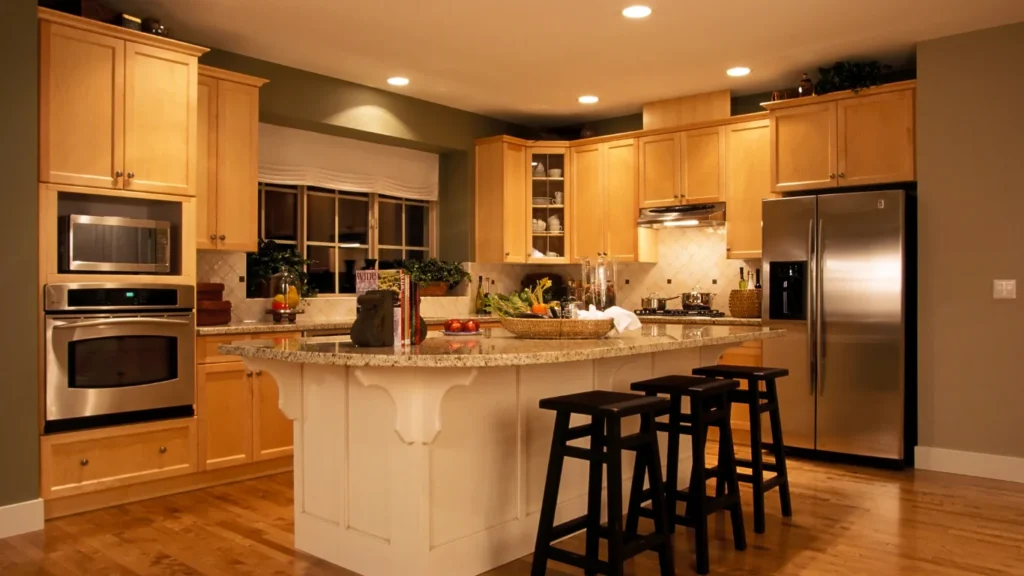
When considering kitchen remodeling design and layout planning: tips for a functional space should focus on efficient use of the area available. Begin by assessing your kitchen’s current layout and identifying pain points such as limited counter space or crowded appliances. One key approach is implementing the classic work triangle, which connects the sink, stove, and refrigerator to reduce unnecessary movement while cooking.
Adding an island is a popular choice for extra workspace and storage, but ensure there is enough clearance around it to move comfortably. If your kitchen is small, consider an open shelving concept instead of upper cabinets to create an open feel. Pull-out pantry shelves and built-in drawer organizers can also improve accessibility while keeping the kitchen clutter-free. Thoughtful spacing between cabinets, appliances, and counters makes your kitchen more comfortable to work in each day.
Kitchen Remodeling Design and Layout Planning: Tips for Choosing Fixtures and Finishes
Another crucial aspect of kitchen remodeling design and layout planning: tips for a functional space involves selecting the right fixtures and finishes. The materials you choose for cabinets, countertops, and flooring must withstand daily wear and tear while complementing your kitchen’s design theme. Quartz or granite countertops remain top choices due to their durability and stylish appearance.
When planning lighting, combine task lighting, such as under-cabinet lights for food preparation, with ambient lighting to brighten the entire space. Pendant lights above the island can become a design focal point while improving visibility. Choose fixtures in finishes that match your cabinet handles and faucets to create a cohesive look.
For flooring, materials like ceramic tiles, hardwood, or luxury vinyl are ideal because they handle spills and frequent cleaning well. Consider neutral or classic colors for your primary features to maintain timeless appeal, then use accessories like rugs and decor for pops of color that can easily be changed with trends or seasons.
Kitchen remodeling design and layout planning: tips for a functional space ultimately depend on your lifestyle and cooking habits. Plan with your family’s daily needs in mind and incorporate designs that make the kitchen inviting, organized, and practical. By focusing on smart layout choices and durable, attractive finishes, you can create a kitchen that serves as the heart of your home for years to come.
Read More:
How to Plan the Perfect Design and Layout for Your Kitchen Remodeling Project
[/et_pb_text][/et_pb_column]
[/et_pb_row]
[/et_pb_section]