
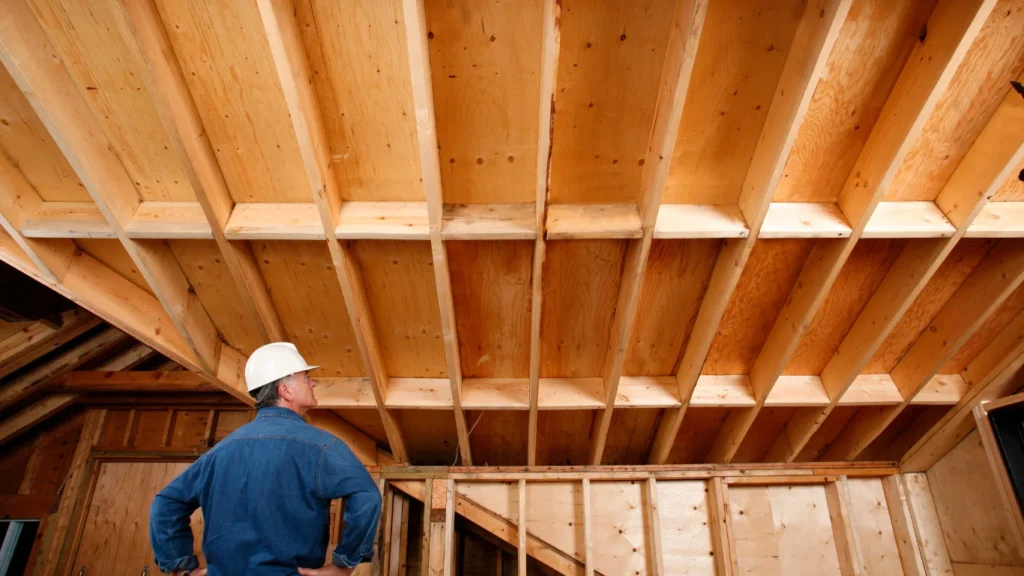
Expanding your living space through a room additions is one of the most effective ways to improve your home’s functionality and value. Whether you need more room for a growing family or want to add a specialized area like a home office or sunroom, the process requires careful planning and smart design choices. A successful room additions blends seamlessly with the existing structure while meeting your specific needs.
A Complete Guide to Planning and Designing Successful Room Additions with Purpose
Before beginning any construction, it’s important to clearly define the purpose of your room additions. Think about how the new space will be used and what it needs to include. For example, a bedroom additions may require a closet and nearby bathroom access, while a new kitchen extension may involve plumbing and cabinetry considerations. Setting your goals early will help guide every aspect of the project.
Next, consult with a licensed contractor or architect. These professionals bring essential expertise to the table, helping you navigate structural limitations, local building codes, and permit requirements. A qualified expert will also ensure your addition complies with zoning regulations, which can vary widely depending on your location and property size.
Budgeting realistically is essential. Your budget should include design fees, permits, labor, materials, and potential upgrades to your home’s electrical or HVAC systems. Including a contingency fund will help you manage any unexpected costs that might arise. Being financially prepared ensures the project stays on track and prevents unnecessary delays.
A Complete Guide to Planning and Designing Successful Room Additions for Cohesion
Designing a room additions that complements your existing home is key to achieving a cohesive look. Consider rooflines, exterior materials, window styles, and paint colors that match or harmonize with the current structure. Internally, the flooring, trim, and lighting should flow naturally from room to room to maintain visual and functional unity.
Space planning is critical. Think about how the new area will connect with adjacent rooms. Ensuring easy access and a smooth transition from one space to another will enhance daily use and improve the home’s overall layout. Natural light should also be a factor—adding windows or skylights can help make the space feel larger and more inviting.
Incorporate flexible design elements that allow the room to serve multiple purposes if needed. A playroom today might become a study or guest room in the future. Built-in storage, movable furniture, and smart layout choices can make the space adaptable over time.
Lastly, consider energy efficiency and sustainability in your design. Choose insulation, windows, and appliances that promote energy conservation. Not only will this lower your utility costs, but it also adds long-term value to your home. With the right planning and design approach, room additions can provide lasting benefits and a comfortable expansion of your living space.
Read More:
How to Maximize Space and Function with Smart Room Additions Design
Room Additions: Expert Tips for Planning and Designing Your New Space