
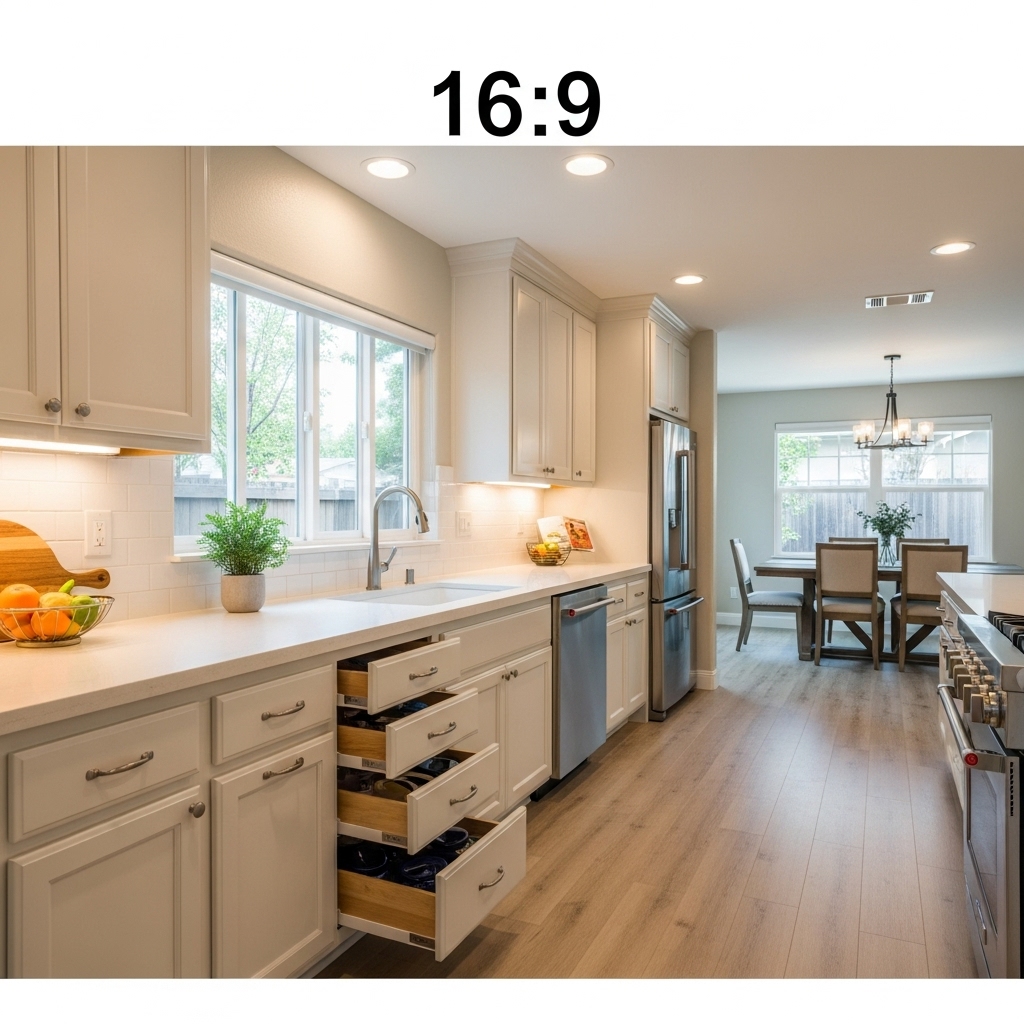
When homeowners in Walnut, California talk about return on investment for a kitchen remodel, the conversation usually starts with resale and quickly widens to include everyday value. ROI in the kitchen is both tangible and experiential. It shows up in how long your finishes last, how well the layout supports busy mornings, and how confidently a buyer perceives the home when the time comes to move on. Over the years, I have seen Walnut kitchens of every size deliver meaningful returns by aligning design with the way people live here: sunlight-filled days, family gatherings, and a desire for spaces that feel calm and organized. If you are evaluating your own project through the lens of both joy and future market appeal, exploring local kitchen remodeling insights can help you structure decisions that pay off in multiple ways.
The most important principle for ROI is coherence. A kitchen that belongs to the house will age gracefully and attract admiration. That does not mean playing it safe; it means respecting the architecture and letting your personality shine in the right places. Think of the remodel as a composition with a steady rhythm and a few high notes. Cabinetry lines that align, consistent lighting logic, and surfaces that converse rather than compete create a foundation buyers trust and families love.
Functional ROI: The Daily Dividend
Before you consider resale, look at how your kitchen supports your life. Functional ROI shows up the moment the new kitchen is complete. Is the path from refrigerator to sink to range efficient? Are prep surfaces clear and well lit? Do utensils and pans live where you use them? If the answers are yes, you will cook more confidently, waste less time, and enjoy the room every day. This daily dividend is a real return, and it compounds.
Small decisions deliver outsized benefits. A deep drawer for pots directly below the cooktop reduces bending and searching. A pull-out for oils and spices turns a previously chaotic cabinet into a tightly organized tool. A tall pantry with shallow shelves keeps food visible and rotation natural, reducing waste. Over time, these details pay you back in ease and satisfaction.
Design Cohesion: Timelessness as Strategy
Timelessness is not about avoiding character; it is about proportion, rhythm, and restraint. In Walnut’s varied neighborhoods, kitchens that feel serene and intentional tend to resonate widely. Choose a core palette that complements adjacent rooms and the home’s natural light. Use bolder moments—an island color, a patterned tile, a sculptural pendant—in focused doses. This approach supports a wide range of furnishing styles over the years and makes future updates easier.
Hardware and lighting are opportunities to add personality without locking the room into a trend. If your home leans mid-century, consider forms that nod to that heritage without replicating a period set. If it leans traditional, small profiles and soft finishes can feel both current and rooted. The goal is to be memorable in a measured way.
Material Durability and Maintenance
Durable, easy-care materials increase ROI by lowering maintenance and preserving visual freshness. Cabinet finishes that clean easily and can be touched up keep doors looking crisp. Countertops that resist staining and scratching maintain their appeal with less fuss. Flooring that stands up to the constant movement between kitchen, patio, and garage entry points is particularly important in Walnut’s active households. When you think about surfaces, picture the room five and ten years from now. What will still look composed after countless family meals?
Backsplash choices matter, too. A consistent, well-installed tile with thoughtful grout selection will typically outlast a visually hectic collage. If you love expressive tile, place it where it is protected and easy to refresh later. Remember that continuity itself reads as quality; it tells a quiet story about care and craftsmanship.
Layout Improvements that Buyers Notice
Buyers pay attention to how a kitchen feels within the first minute. Clear sightlines, practical circulation, and generous landing zones communicate ease. If your current kitchen traps the refrigerator in a corner or forces traffic through the prep zone, modest adjustments can have a dramatic effect. A wider cased opening, a better-positioned island, or a refined work triangle broadcasts competence. Thoughtful lighting—task lights where you work and dimmable ambient light for mood—supports that impression.
Storage is another quick read. Integrated trash and recycling, a true pantry solution, and well-proportioned drawers suggest that the kitchen will be pleasant to live in. Even buyers who do not cook frequently recognize the difference between a space that has been thought through and one that has not.
Energy, Comfort, and Code Confidence
In California, energy standards and ventilation requirements influence kitchen design. Complying with these guidelines not only satisfies permitting but also improves daily comfort. Efficient lighting on dimmers uses less energy while delivering better control. Quiet, effective ventilation makes cleanup and entertaining more pleasant. These elements add to the kitchen’s perceived quality in the eyes of buyers and appraisers. Code confidence—a sense that the work is not just beautiful but also correct—supports resale and peace of mind.
Many Walnut homes still carry a patchwork of past updates. Cleaning up wiring, modernizing circuits, and ensuring proper GFCI protection are not glamorous, but they are essential. The return here is safety and the durability of the investment. When an inspection later shows tidy, current systems, it validates the care put into the remodel.
Open vs. Defined: What Sells and What Lives Well
Open kitchens are popular, yet not every home benefits from removing every wall. ROI weighs lifestyle alongside market appeal. A generous cased opening that shares light and conversation can be just as effective as a full wall removal if storage needs are met. If you do open the room, allocate storage accordingly; tall pantry cabinets or a utility wall can recapture what upper cabinets once provided. In smaller homes, a peninsula often earns its keep with seating and serving space while protecting circulation.
In Walnut, many buyers are families or multigenerational households. Flexible zones—like a beverage center away from the main prep lane—serve daily routines and gatherings in equal measure. This versatility reads as value because it anticipates real life.
Neighborhood Context and Architectural Fit
ROI is local. A kitchen that feels right for a cul-de-sac of mid-size homes will differ from one in a hillside property with a view. Study your block. If most neighboring homes have updated kitchens with calm, neutral palettes and efficient storage, an overly ornate design may feel out of step. Conversely, if your home has distinctive architectural features, highlighting them thoughtfully can differentiate your property in a positive way. The best remodels acknowledge their context while elevating it.
Consider the relationship between the kitchen and outdoor space as well. Many Walnut homes enjoy patios or small yards. A clear path from the kitchen to outdoor dining with a landing zone for platters and beverages increases the perceived size and utility of the living spaces, which buyers appreciate.
Midway through design, you will likely weigh where to invest more attention—layout changes, storage upgrades, or finish enhancements. A balanced approach tends to deliver the strongest return, with layout and lighting leading the way. If you would like a local sounding board as you calibrate those decisions, many homeowners seek guidance from design-build teams focused on kitchen remodeling who can turn priorities into a coherent plan that lives well day to day and reads well on the market.
Case Reflections: How ROI Shows Up in Real Homes
In one Walnut ranch, a modest reconfiguration shifted the refrigerator away from a bottleneck and consolidated prep space between sink and range. The owners reported cooking more often, hosting friends comfortably, and feeling less stressed in the evenings. When they later considered refinancing, the appraiser noted the kitchen’s practical improvements and quality finishes as clear strengths. In a split-level, opening a partial wall and adding a pantry wall reduced clutter, improved light, and made open house visitors linger longer—small signs that the remodel connected with people.
Another home near schools swapped a dated peninsula for a better-scaled island, added efficient under-cabinet lighting, and replaced patchwork counters with a consistent surface. The visual calm created by continuity and the functional boost of better lighting left a strong impression on guests and prospective buyers alike. In each case, the ROI emerged from clear planning and alignment with the house’s proportions and the family’s routines.
Maintenance and Longevity
Protecting your return over time comes down to care and smart design. Choose finishes that can be refreshed or repaired without replacing entire sections. Keep a small kit of touch-up materials for cabinetry and note paint formulas for walls and trim. Establish simple habits—wiping spills promptly, using cutting boards, and cleaning vents—that preserve surfaces and systems. When a kitchen looks cared for years after completion, it sustains both your enjoyment and the market’s confidence.
Lighting maintenance is often overlooked. Replace bulbs in sets and keep dimmer functions consistent to avoid a patchwork of color temperatures. Similarly, stay on top of filter changes for ventilation; a quiet, efficient system only stays that way with periodic attention.
Frequently Asked Questions
Q: What aspects of a kitchen remodel influence ROI the most?
A: Layout clarity, storage efficiency, lighting quality, and durable finishes are the big four. When these align with the home’s architecture, buyers respond positively and everyday life improves significantly.
Q: Do bold design choices hurt resale?
A: Not if they are placed strategically. Keep the base palette calm and use bolder accents where they can be updated without major disruption, such as a painted island, hardware, or pendant lights.
Q: Is opening the kitchen always the best move?
A: It depends on the house. A well-sized opening or peninsula can deliver light and connection without sacrificing essential storage. Evaluate how you cook and entertain, then decide how much openness supports that.
Q: How important are energy and ventilation upgrades for ROI?
A: Very. Efficient lighting, proper circuits, and quiet, effective ventilation improve daily comfort and signal quality to inspectors and buyers. They also align with California standards, which supports long-term confidence.
Q: How can I make sure my new kitchen feels timeless?
A: Focus on proportion and consistency. Choose a restrained core palette that harmonizes with adjacent rooms, then layer in changeable accents. Avoid overly complex cabinet rhythms and busy material combinations.
Q: What is the best first step if I want strong ROI?
A: Start with a clear scope that prioritizes layout, lighting, and storage. Define structural decisions early, then select finishes that balance durability and character. A measured plan turns good intentions into results you can feel and others can see.
If you are ready to maximize both daily enjoyment and future appeal, partner with a team that understands Walnut’s homes and the decisions that generate real value. When you want guidance that blends design sensitivity with construction expertise, reach out for experienced kitchen remodeling support that turns your investment into a room you love to use and a story buyers love to imagine themselves in.