
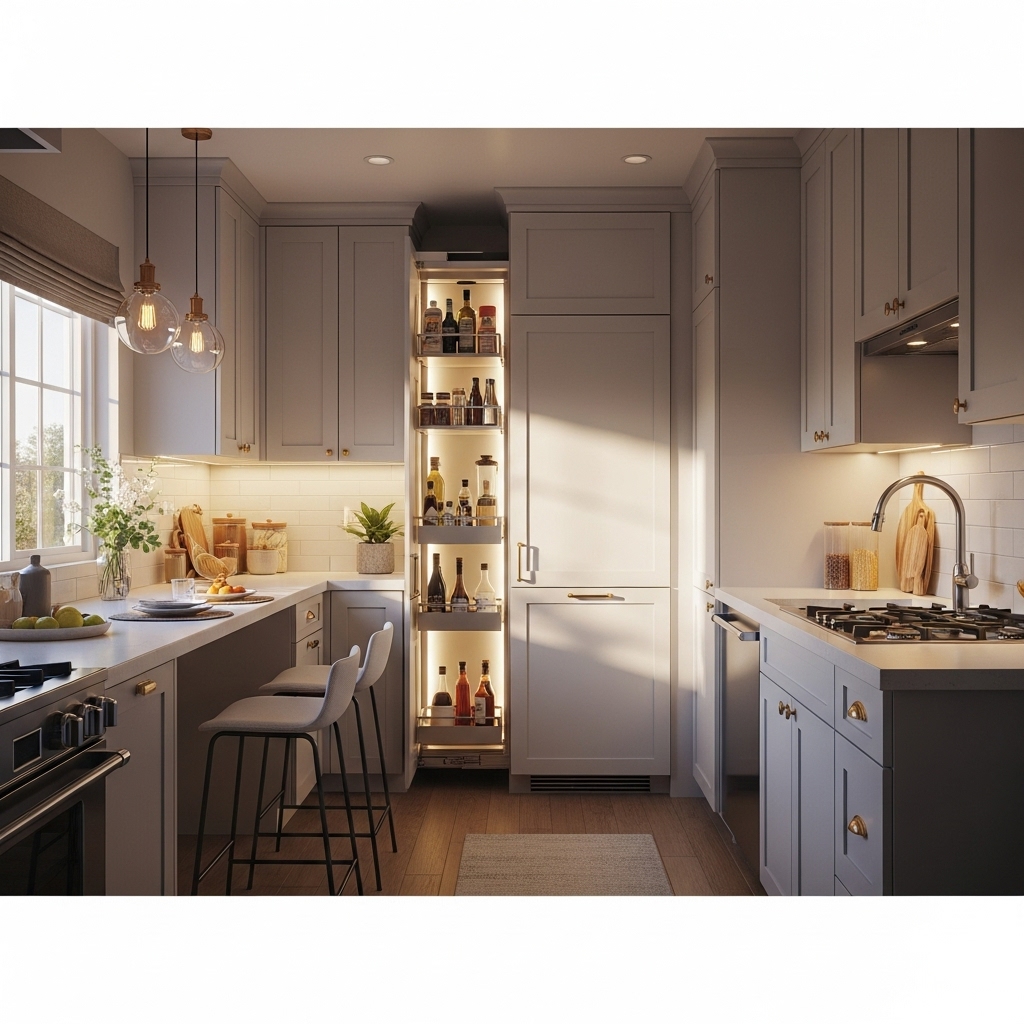
In Walnut, California, small kitchens are more common than people realize, especially in cozy ranch homes, early tract houses, and the tidy townhomes tucked around the city’s rolling hills and well-kept cul-de-sacs. If you are staring at a compact footprint and wondering how to make it function like a much larger room, you are not alone. I have helped many Walnut homeowners transform tight, awkward cooking zones into calm, efficient, and surprisingly airy spaces, and I can tell you that smart planning will always beat square footage. In the first stage, you want to define how the room should feel, not just how it should look. The best small kitchen is comfortable, naturally intuitive, and free of visual noise, even when the family is bumping in and out after school or work. And when you are ready to explore design options that fit your home and neighborhood, it helps to start a conversation with a team that lives and works nearby in the San Gabriel Valley, because context matters with older homes, local codes, and climate. If that is where you are now, you might find it useful to research local kitchen remodeling approaches that respect both the character and constraints of Walnut’s housing stock.
Before we talk cabinets and countertops, think about how you actually move in your kitchen. Do you prepare lunches early before sunrise, when you need quiet, dimmer lighting and clear counter space? Do you cook large weekend meals that call for a second prep zone and a landing spot by the range? Do you entertain at the peninsula with a couple of bar stools, even though the kitchen is tight? When a plan is honest about your real habits, everything else becomes easier. The heart of a small kitchen remodel is a hierarchy of function. Your primary prep zone and cleanup zone should never fight each other; the path from refrigerator to sink to range should be fluid; and doors, drawers, and appliances should open without collision. These may sound like simple ideas, but in small rooms, they are the difference between daily delight and daily irritation.
From Constraint to Opportunity: Reading the Room
Small kitchens in Walnut often share certain characteristics: low soffits that steal vertical storage, shallow pantries that function like clutter traps, and odd corners that collect items no one uses. Many homes built in the 1970s and 1980s also have dividing walls or pass-through windows that make the kitchen feel isolated from the family room. The first step is to measure every inch and understand the bones. Are there load-bearing walls? Where do the plumbing stacks travel? Is the electrical panel nearby? What is inside that soffit—ducts, wires, or just empty space? Once you understand the skeleton, you can begin to carve out volume, uncover vertical dimension, and reclaim square inches that once felt lost.
In many small kitchens, raising cabinetry to the ceiling or removing non-structural soffits instantly changes the room’s energy. The eye reads height as space, and continuous vertical lines, especially in light, low-sheen finishes, create that breath of air you crave. If you cannot raise the entire ceiling, consider framing a shallow, functional cove with integrated lighting, or even a simple painted reveal that tricks the eye upward. These subtle moves pair beautifully with updated lighting plans that distribute task, ambient, and accent light exactly where you need it.
Layouts That Earn Every Inch
Small kitchens tend to fall into a few basic shapes: galley, L-shaped, and U-shaped. Each can work brilliantly when tuned to the way you cook. Galleys are efficient by nature because everything is within reach, but they require careful attention to aisle width and landing zones. I like to keep at least one continuous run of counter for prep, positioned between sink and range if possible. If a galley feels tight, slim-profile cabinetry or a shallower run against one wall can buy crucial inches without sacrificing storage. In L-shaped layouts, a compact island or movable work table, if space permits, can offer a multi-purpose anchor for prep, serving, and conversation. U-shaped kitchens demand discipline at corners; good corner solutions are essential, and so is the choreography of where you stand versus where doors and drawers swing.
One of the smartest small-kitchen strategies is the pocket of multipurpose utility built into a single stretch of cabinetry. This could be a central cabinet section where cutting boards, knives, and spices live together, anchored by adequate task lighting and an easy-to-clean surface. If you bake, a dedicated drawer for measuring tools, parchment paper, and mixing attachments right below a clear prep area quietly increases your speed and reduces mess. The point is not to imitate a showroom, but to fit the room to your life, inch by inch.
Storage That Disappears into the Architecture
Storage in a compact kitchen must be abundant but visually quiet. A wall of cabinets that looks like furniture—flat-paneled, minimal reveals, calm color—will melt into the background. Inside, pull-outs, vertical tray organizers, and full-extension drawers make the most of depth, so nothing gets lost at the back. Consider dividing tall cabinets into distinct zones: breakfast supplies near the toaster, coffee supplies near the grinder, and lunch containers close to the refrigerator. In Walnut’s family-oriented homes, creating a child-friendly drawer for cups and bowls empowers kids to help without scrambling the whole kitchen.
Do not overlook toe-kicks and narrow gaps. Toe-kick drawers can store baking sheets or linen. A pull-out beside the range is the perfect spot for oils and vinegars. Above the refrigerator, instead of a deep, unhelpful cave, try a cabinet built for oversized platters and seasonal cookware. If you have a nearby hallway or closet that can be annexed, a slim pantry cabinet with shallow shelves can hold surprising volume, and because everything is visible at a glance, you waste less food. The goal is simple: store items at the point of use, reduce visual distraction, and keep work surfaces clear.
Light, Color, and Material Choices that Open the Room
Natural light is powerful in Walnut, where sunny mornings can beam straight through east-facing windows. Reflecting that light with the right palette dramatically affects perceived size. Light but warm off-whites with a hint of sand or dove gray often suit the local light quality, avoiding the sterile look of pure white. Matte or low-sheen finishes reduce glare and fingerprints, especially in high-touch spaces. For countertops, consider materials that bounce light but are not too busy visually; a soft, consistent pattern reads larger than a high-contrast one. Backsplashes are a chance to add character without chaos. A subtle handmade tile, laid in a clean pattern, will feel crafted and calm at the same time.
Lighting layers matter just as much as finishes. A small kitchen works best when you can set a scene: bright task lighting when chopping, softer ambient light for evening cleanup, and targeted accent light to highlight a beautiful backsplash or open shelf. Under-cabinet LEDs are almost always a win, but think about continuity so that your counter is lit evenly, not in patches. Dimmers give you control and make the room feel gracious at any hour.
Appliance Strategy: Right-Sized and Right-Placed
Appliances can swallow a small kitchen, so resist upsizing beyond need. In many Walnut homes, a counter-depth refrigerator recovers valuable aisle space and creates a smoother line with cabinetry. A slide-in range minimizes visual breaks at the counter. If you love to cook but do not need an oversized oven daily, a compact wall oven with a well-vented cooktop can be a strong pairing. Dishwashers come in narrower widths and even drawer styles, which can be game-changers when the sink base is tight. Ventilation is crucial in a small room; a properly sized, quiet hood that actually connects to exterior venting will keep air fresh without dominating the look.
Placement is just as important as size. Consider how the refrigerator door swings relative to adjacent counters, whether there’s a landing space within a step or two, and how people navigate around the dishwasher when it is open. In compact rooms, it can make sense to center the sink to split counter runs evenly, reducing a messy pileup on one side. Every appliance should have a logical home that respects the workflow of shopping, cooking, serving, and cleaning.
At this point in most projects, homeowners are feeling the excitement of possibilities. If you are comparing ideas or translating a moodboard into a practical plan, it is a good moment to connect concept to execution and learn what is feasible with your structure, schedule, and daily life. For local guidance and examples grounded in our area’s building culture, many homeowners look into professional kitchen remodeling resources so they can weigh the sequence of design decisions with confidence.
Smarter Surfaces for Busy Walnut Kitchens
Walnut’s lifestyle demands durable and easy-care surfaces. Families shuttle between school events, parks, and weekend errands, and kitchens see constant action. Counter materials that resist staining and scratching while maintaining a polished look will keep a small space from looking tired. Cabinet finishes that can be touched up easily extend longevity. For flooring, consider materials that flow seamlessly into adjacent rooms—this continuity visually enlarges the kitchen. If your existing floors are in good shape, refinishing in a slightly lighter tone can freshen the entire level without forcing a dramatic style shift.
If your home opens to a backyard or small patio, the transition deserves attention. A drop zone for bags and keys, a shallow bench beneath a window, or even a simple peg rail near the entrance can remove clutter from your counters. In small kitchens, a tidy entry equals a tidy workspace. It is also the kind of detail that turns daily life into something calmer and more efficient.
Local Considerations: Permits, Codes, and Construction Rhythm
Working in Walnut means respecting local permitting requirements and the realities of homes that may have been remodeled in pieces over time. When you open walls, you might discover old wiring, a patchwork of plumbing, or insulation that no longer meets current standards. Planning for these possibilities—rather than fearing them—helps keep the project smooth. You will also want to consider California’s energy standards for lighting and ventilation, which influence your selections and wiring plan. Good teams coordinate these details ahead of demolition so there are fewer surprises.
Another Walnut-specific consideration is the number of hillside lots and split-level floor plans. When you adjust layout or add heavier finishes, structural evaluation matters. Even a simple pass-through enlargement can require a beam if the wall contributes to support or shear. It might sound intimidating, but with the right approach, these moves open a cramped kitchen in ways that are absolutely worth the effort. The trick is doing the structural work cleanly and integrating it aesthetically so it looks intentional rather than like an afterthought.
Case Notes from Small Kitchens Around Town
One family near Suzanne Park had a narrow galley that felt like a tunnel. By removing a short, non-structural partition at the end, aligning the refrigerator with new counter-depth cabinetry, and adding a tall pantry with shallow adjustable shelves, we reclaimed a sense of openness without moving any major systems. The transformation hinged on consistency—cabinet doors with minimal rails, a calm backsplash, and integrated lighting. The kitchen did not grow in square footage, but it grew in confidence and ease.
Another homeowner in a mid-century ranch near Creekside Park wanted an island but lacked width. Instead, we created a peninsula with a waterfall edge that framed the kitchen without choking the walkway. Underneath, narrow drawers held flatware and spices, and a tucked-in outlet kept small appliances off the counter. The peninsula became the family’s favorite landing spot for homework and snacks, proof that modest gestures can radically improve how a small kitchen lives.
Organization Rituals that Keep Small Kitchens Feeling Big
Even a perfectly designed small kitchen benefits from simple habits. A ten-minute evening reset—clearing counters, running the dishwasher, wiping the sink—prevents the visual clutter that makes compact rooms feel chaotic. Storing items in transparent containers, labeling shelves inside tall cabinets, and keeping only daily-use small appliances visible are choices that reinforce the calm you built into the design. These rituals are not about perfection; they are about protecting the peace of a room you just invested in, so you continue to enjoy it month after month.
Bringing Your Personal Style into a Small Space
Small does not mean generic. Walnut homes are wonderfully varied, and your kitchen can express personality without overpowering the scale. A soft green-gray on lower cabinets that nods to our foothill views, a wood accent that echoes original beams, or a handcrafted tile used sparingly as a focal band—these touches connect the kitchen to both house and neighborhood. The key is restraint. One or two memorable details are more effective in a compact space than many competing ideas.
If you love open shelves, consider one well-composed shelf near the range with everyday plates and bowls rather than a full wall of display. If you cherish a collection of ceramics, a glass-fronted cabinet with subtle lighting is an elegant way to showcase it without sacrificing function. When every inch matters, your favorites deserve pride of place.
Planning the Process with Real-Life Logistics
Living through a remodel in a small house requires a plan. Set up a temporary kitchen with a compact work surface, microwave, and a bin system for essentials. Decide where deliveries will land so you do not clog an already tight space. Protect adjacent rooms from dust, especially if your kitchen opens to the living area. A thoughtful sequence—from demo to rough-ins to finishes—reduces time you spend in limbo and makes the transition painless. Communication with your team about daily schedules, parking, and any HOA guidelines is especially important in Walnut’s quiet neighborhoods.
Most importantly, remain flexible about small course corrections as the project moves along. In compact kitchens, an inch here or there can improve a drawer’s function or a door’s swing more than you might expect. Trust the process, and keep the vision of a calm, efficient space in mind.
Frequently Asked Questions
Q: Can a small Walnut kitchen handle a family that cooks daily?
A: Absolutely. With an efficient layout, right-sized appliances, and smart storage that puts tools at the point of use, a compact kitchen can be faster and more pleasant than a larger, poorly organized room. The trick is to prioritize clear counter runs and eliminate collisions between zones.
Q: Will removing a wall make my small kitchen feel bigger?
A: Often, yes, but it depends on whether the wall is structural and how much storage you would lose by taking it down. Sometimes a widened opening or a partial-height peninsula gives you openness and function without compromising cabinet space. Structural evaluation is essential before committing.
Q: How do I create enough pantry storage without a walk-in?
A: Tall cabinetry with shallow, adjustable shelves or roll-outs usually outperforms a deep closet. Organize by activity—breakfast, baking, snacks—so you can see everything at a glance. You waste less and free counters for prep.
Q: What finishes help a small kitchen feel larger?
A: Low-sheen, light-toned cabinetry paired with a consistent, subtle countertop pattern and a softly reflective backsplash can make walls recede and surfaces look expansive. Layered lighting adds depth and flexibility, boosting the perception of space throughout the day.
Q: Are compact appliances worth it?
A: When chosen thoughtfully, yes. A counter-depth refrigerator and a range or cooktop that suits your actual cooking style free aisle space and create cleaner sightlines. Reliability and ventilation are more important than maximum size in a small room.
Q: Do I need permits for a small kitchen remodel in Walnut?
A: If you are moving plumbing, electrical, or altering structure, permits are typically required. Even straightforward updates may touch lighting or ventilation standards. Working with professionals who understand local requirements keeps the project compliant and smooth.
When you are ready to move from ideas to action, the most important step is finding a partner who listens carefully, respects the architecture of your home, and plans each inch with intention. If you want that level of guidance for your own project, reach out to a trusted local team for design and construction that balances creativity with craft. To explore next steps and see how your space can work harder for you, connect with experienced kitchen remodeling professionals who understand Walnut’s homes and the way people here live every day.