
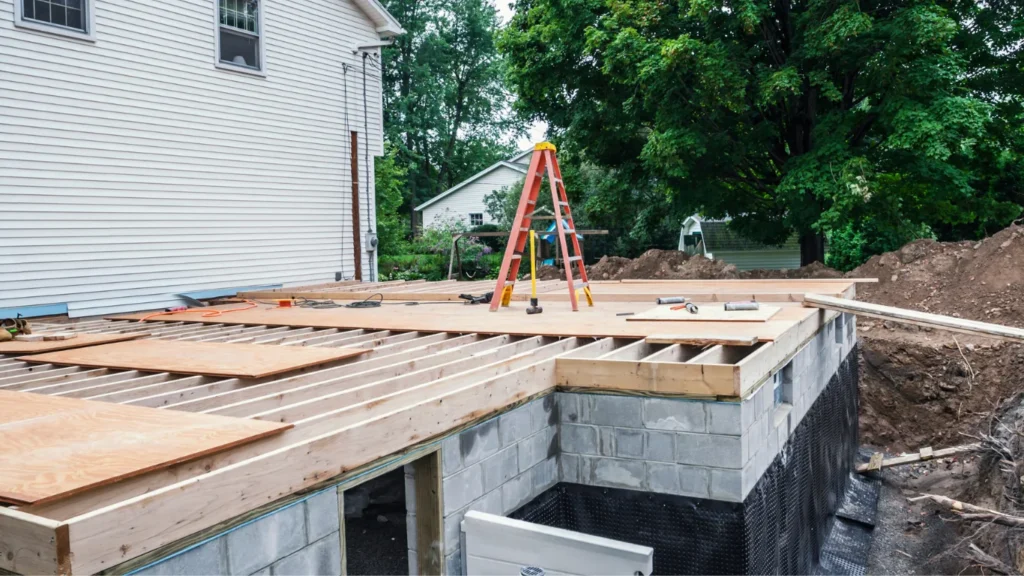
Expanding your home is an exciting opportunity to create more functional space for your family’s needs. Following a room additions guide with effective planning and designing strategies will help you achieve a seamless extension that blends with your existing home structure while enhancing its comfort and value. Careful planning ensures your project progresses smoothly and meets both your lifestyle and budget requirements.
Room Additions Guide: Effective Planning and Designing Strategies for Assessing Needs and Budget
One important step in any room additions guide with effective planning and designing strategies is assessing your needs and budget. Start by identifying the purpose of your room addition, whether it’s to add a bedroom, expand the living area, create a home office, or build a guest suite. Understanding your priorities will guide layout choices, structural considerations, and design features that suit your family’s lifestyle.
Budget planning is equally essential in a room additions guide with effective planning and designing strategies. Consult with a general contractor to get an estimate of the total costs, including materials, labor, permits, and potential structural reinforcements. Include a contingency fund of around 10-15% to cover unexpected expenses that may arise during construction. Aligning your design goals with your budget ensures you achieve a practical and financially realistic addition.
Room Additions Guide: Effective Planning and Designing Strategies for Layout, Design, and Permits
Layout and design play a major role in any room additions guide with effective planning and designing strategies. Aim to create a space that flows naturally with your existing floor plan. Consider the placement of doors, windows, and walkways to maintain accessibility and functionality. Work with a designer or architect to ensure your addition complements the exterior structure, roofline, and architectural style of your home.
Obtaining permits is another crucial aspect in a room additions guide with effective planning and designing strategies. Most cities require permits for structural modifications, electrical work, plumbing, and other construction activities. Check your local building codes to understand the necessary approvals before starting. Your contractor or architect can help prepare plans that meet requirements, avoiding legal issues or delays.
Lighting and ventilation should also be part of your room additions guide with effective planning and designing strategies. Natural light makes your new space feel more open and welcoming, so consider window placements that maximize sunlight without compromising privacy. Additionally, plan for heating and cooling needs by extending existing HVAC systems or installing dedicated units for energy efficiency and comfort.
Another tip from any effective room additions guide is to think about future resale value. Choose designs and features that not only meet your current needs but also appeal to potential buyers if you decide to sell later. Functional spaces like additional bedrooms, bathrooms, or home offices often provide a strong return on investment.
By following this room additions guide with effective planning and designing strategies, you can create a new space that enhances your home’s functionality and aesthetic appeal. Thoughtful preparation, clear goals, and collaboration with experienced professionals will ensure your room addition project becomes a valuable and enjoyable part of your home for years to come.
Read More:
Planning Room Additions: Design Ideas to Maximize Space and Value