
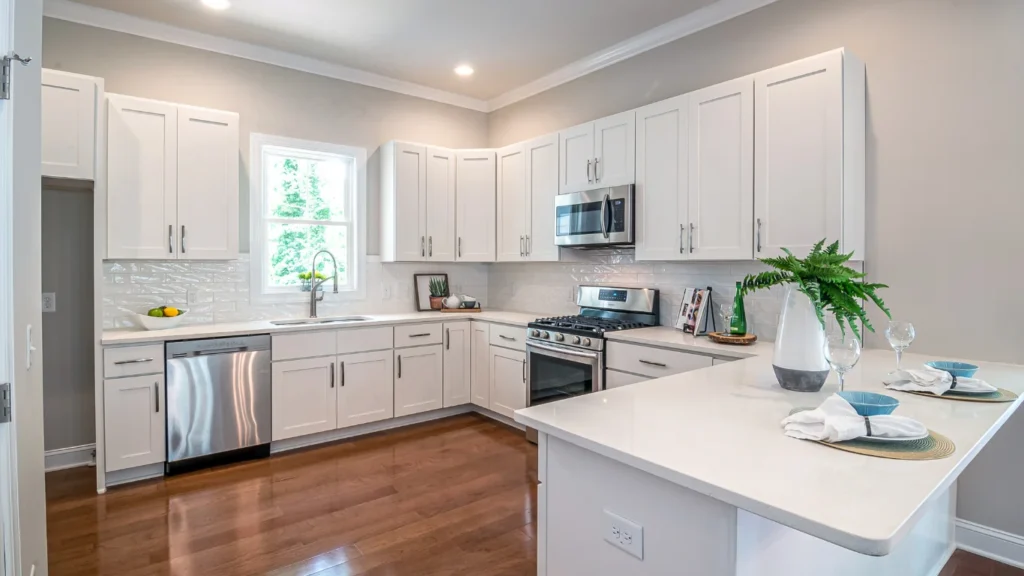
A well-designed kitchen not only enhances daily living but also increases home value. This kitchen remodeling guide with effective design and layout planning strategies will help you create a space that is both functional and visually appealing. Understanding how to maximize every inch of your kitchen ensures your remodel meets your lifestyle needs and aesthetic goals.
Kitchen Remodeling Guide: Effective Design and Layout Planning Strategies – Understanding Your Kitchen Workflow
The first focus in this kitchen remodeling guide with effective design and layout planning strategies is understanding your kitchen workflow. The classic work triangle – sink, stove, and refrigerator – remains a proven layout principle. Ensuring these elements are positioned efficiently minimizes unnecessary movement and makes meal preparation smoother.
Consider how you use your kitchen daily. If you often cook elaborate meals, prioritize counter space next to the stove for food prep. If your family gathers in the kitchen, incorporating an island with seating can create a welcoming space. Identifying your daily routines will help you prioritize layout decisions that improve functionality.
Storage is another important factor. Integrating deep drawers for pots and pans, pull-out pantry cabinets, and overhead storage can keep the space organized. Utilizing vertical space for shelving or cabinetry prevents clutter and enhances accessibility. A well-organized kitchen supports an efficient workflow and contributes to an enjoyable cooking experience.
Kitchen Remodeling Guide: Effective Design and Layout Planning Strategies – Creating a Cohesive and Functional Design
The next step in this kitchen remodeling guide with effective design and layout planning strategies is creating a cohesive and functional design. Start by selecting a design theme or style that complements the rest of your home. Whether modern, rustic, or transitional, maintaining consistency in finishes, colors, and materials ensures your kitchen remodel looks intentional and harmonious.
Lighting is a critical design element. Combine task lighting under cabinets with ambient ceiling lights to brighten the space. Adding pendant lights above an island enhances both function and style, creating focal points within the room.
Choosing durable materials is equally important. Countertops should resist heat and scratches, while flooring must handle moisture and high foot traffic. Popular options include quartz countertops for durability and engineered hardwood or tile flooring for longevity.
When planning your kitchen remodel, consider future needs as well. Installing wider walkways and accessible storage ensures the kitchen remains functional as your family grows or your mobility needs change. If you plan to sell your home, a timeless design with quality materials will appeal to a wider range of buyers.
Finally, working with an experienced kitchen designer or contractor can make the remodeling process smoother. They bring expertise in building codes, material selection, and structural planning, ensuring your kitchen remodel is completed efficiently and to a high standard.
Using this kitchen remodeling guide with effective design and layout planning strategies helps you create a kitchen that combines beauty and function, adding comfort and value to your home for years to come.