
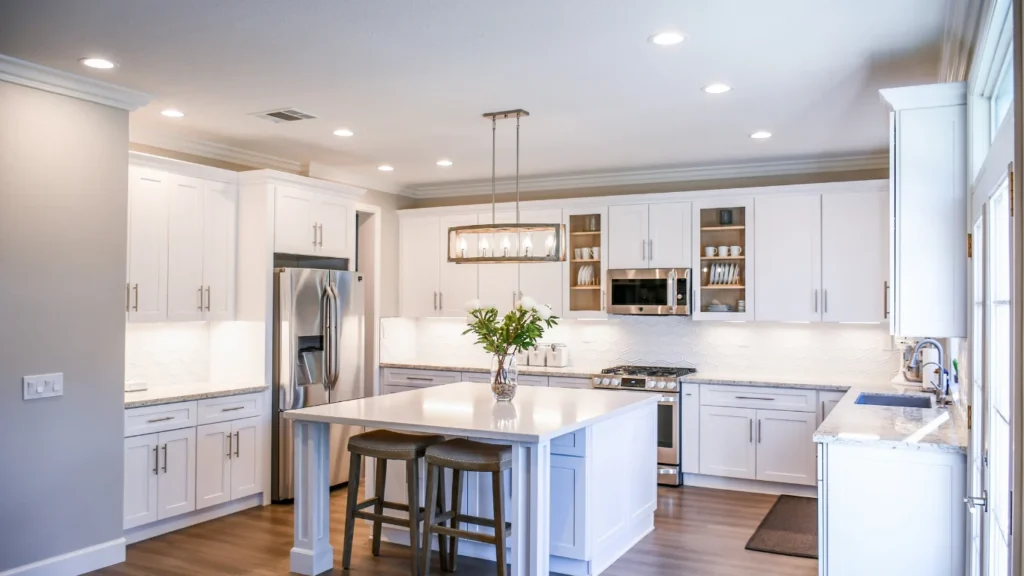
Kitchen remodeling is one of the most rewarding home improvement projects when approached with a clear plan and vision. Understanding how to master kitchen remodeling with effective design and layout planning is essential for creating a functional, stylish, and personalized space. Every detail, from appliance placement to storage solutions, plays a role in the success of the project.
Why Design and Layout Planning Matter in Kitchen Remodeling
Effective design and layout planning are at the core of any successful kitchen remodel. Before selecting materials or finishes, it’s crucial to evaluate the existing space and how it functions in your daily life. Consider your cooking habits, how often you entertain, and how many people use the kitchen at once. These factors influence whether an open layout, L-shaped configuration, or galley-style kitchen suits your needs best.
Good design ensures that your kitchen isn’t just beautiful but practical. The work triangle—formed by the stove, sink, and refrigerator—should allow for easy movement and efficiency. Proper layout planning also considers traffic flow, workspace lighting, and accessibility. Thoughtfully placing cabinets and counters makes the kitchen easier to use and keeps it organized. Design decisions made early in the process will impact everything from appliance size to the final aesthetic.
Practical Steps to Master Kitchen Remodeling with Effective Design and Layout Planning
Start by setting a realistic budget that includes both design elements and unexpected costs. Once a budget is in place, work with a designer or contractor to explore layout options that fit your lifestyle. If space allows, an island can serve as a multipurpose hub for food prep, dining, and storage. However, it’s important to ensure there’s enough room around it to avoid crowding walkways.
Storage is another critical aspect of kitchen remodeling. Maximize vertical space with tall cabinets, and use custom drawer inserts to keep utensils and pantry items neat. Consider pull-out shelves, lazy Susans, and under-cabinet lighting to improve functionality. A well-planned layout places essential items within easy reach while maintaining a clean and streamlined appearance.
Material selection also contributes to the overall flow of the kitchen. Coordinating countertops, backsplash tiles, and cabinetry with the rest of your home creates a seamless transition. At the same time, choosing durable and easy-to-maintain materials helps reduce upkeep in the long term.
Finally, don’t overlook the importance of lighting in both design and layout. Task lighting under cabinets, ambient lighting in the ceiling, and accent lighting for display areas add depth and comfort. Effective lighting placement ensures that every corner of your kitchen is both functional and inviting.
By learning how to master kitchen remodeling with effective design and layout planning, you can create a space that truly reflects your needs and taste. With careful planning and smart decisions, your kitchen remodel will be a long-lasting investment that enhances both your home’s value and your everyday life.