
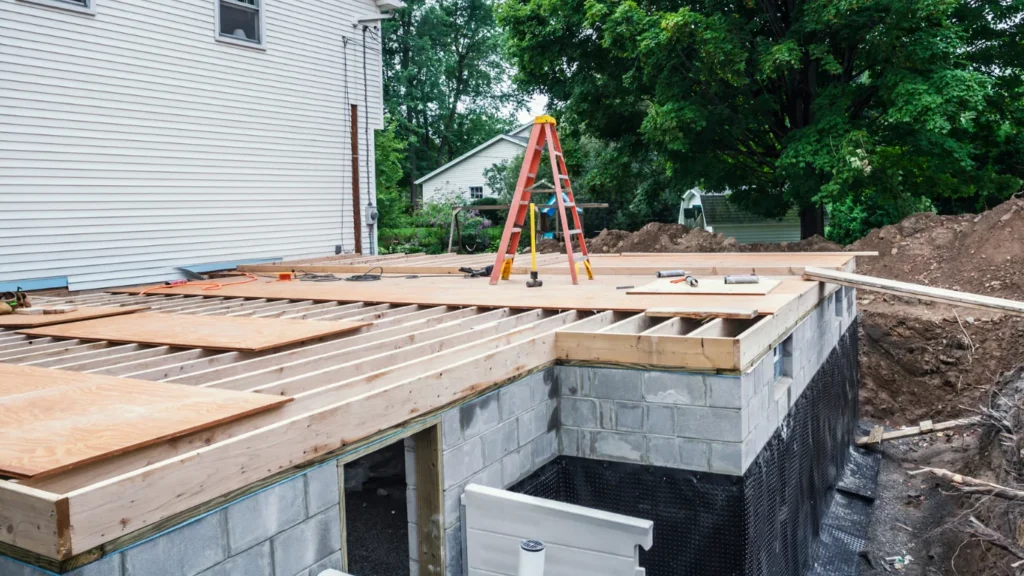
Expanding your home through a room addition is one of the most effective ways to increase space, improve functionality, and enhance property value. However, without proper planning, a room addition can quickly become stressful and costly. These smart tips for planning and designing successful room additions can help ensure a smooth process and a finished product that meets your goals.
Smart Tips for Planning and Designing Successful Room Additions That Fit Your Needs
Before any construction begins, it’s essential to understand your purpose for the room addition. Whether you’re adding a home office, a guest bedroom, or expanding your kitchen, having a clear goal allows for better design decisions. Create a list of must-haves and nice-to-haves to prioritize your space requirements. This will help guide architects and contractors and keep your project aligned with your expectations.
Research zoning laws and building codes in your area. Each city or county may have unique regulations regarding property lines, building height, and required permits. Working with a professional early on can help you avoid costly delays or design changes due to overlooked regulations. A thorough site assessment will also help you identify structural concerns or opportunities that may influence your design.
Design Considerations for Smart Room Additions That Boost Functionality
When planning room additions, consider how the new space will connect with the rest of your home. A cohesive layout not only looks better but also improves flow and usability. Matching architectural details, such as flooring, windows, and rooflines, can help blend the addition seamlessly with the original structure. It’s also a good time to address upgrades to your home’s systems, such as HVAC or plumbing, to accommodate the new space.
Think about natural light and ventilation when designing your addition. Incorporating large windows, skylights, or glass doors can make the space feel larger and more inviting. It’s also wise to plan for energy efficiency—adding insulation, energy-efficient windows, and eco-friendly materials can reduce future utility bills and make the home more sustainable.
Budgeting is a critical part of smart tips for planning and designing successful room additions. Establish a realistic budget early and include a contingency fund for unexpected costs. Be transparent with your contractor about your financial limits, and request itemized estimates to stay informed throughout the project. Cutting corners can lead to future repairs, so invest in quality materials and workmanship where it matters most.
Finally, communication is key. Regular meetings with your contractor and design team can keep the project on track and avoid misunderstandings. Ask questions, review plans carefully, and don’t be afraid to speak up if something doesn’t look right.
Incorporating these smart tips for planning and designing successful room additions will not only help you avoid common pitfalls but also ensure that your new space is functional, attractive, and a true asset to your home. With thoughtful preparation and expert guidance, your room addition can be a worthwhile investment for years to come.