Masonry is an ancient craft that has stood the test of time, providing both beauty and durability to buildings for centuries. Whether it’s constructing a simple garden wall or an intricate architectural masterpiece, masonry plays a crucial role in modern construction. Understanding the art of masonry, its benefits, and the techniques used can help you appreciate this versatile construction method even more.
The Benefits of Masonry in Construction
One of the primary benefits of masonry is its longevity. Materials like brick, stone, and concrete are known for their robustness and can withstand harsh weather conditions, extreme temperatures, and wear over time. This makes masonry an ideal choice for structures that need to endure for generations. Furthermore, masonry materials are often resistant to damage from insects, such as termites, and are highly fire-resistant, providing an extra layer of safety to any building.
Masonry also offers exceptional thermal mass. Materials like brick and stone absorb and store heat, which helps maintain a stable indoor temperature. This natural insulation can reduce energy consumption, keeping homes and buildings cooler in the summer and warmer in the winter. Additionally, masonry is soundproof, making it a great choice for environments that require quiet, such as residential areas or offices.
Another key benefit is the aesthetic appeal of masonry. The natural texture and variety of materials available allow for a wide range of design possibilities. Whether it’s the classic look of a brick wall or the rustic charm of stone, masonry can be tailored to suit any style. The flexibility in design ensures that masonry can complement modern, traditional, or even eclectic architectural styles.
Techniques Involved in Masonry Projects
Masonry involves the skilled craftsmanship of laying bricks, stones, or blocks in specific patterns to form walls, foundations, and other structures. There are various techniques used in masonry, depending on the material and the desired result.
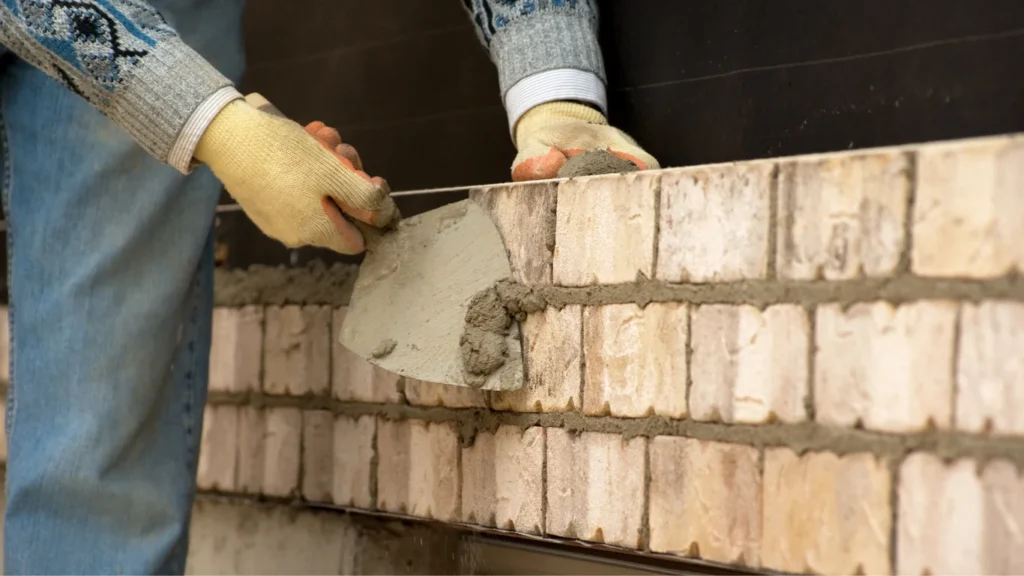
For brick masonry, the process typically involves applying mortar to a foundation and then placing the bricks in rows, ensuring they are level and aligned. Skilled masons are able to create various patterns, such as herringbone or basketweave, adding a decorative touch to the structure. The mortar must be mixed and applied correctly to ensure a strong bond between the bricks, providing structural integrity.
Stone masonry is another technique that requires a high level of expertise. Stones are often cut or shaped to fit together without the need for mortar, creating an elegant, rustic look. Dry stone walls, for example, are a traditional masonry technique where stones are carefully stacked to form a stable wall without mortar. This technique requires an understanding of how each stone fits into place to ensure the structure’s stability.
Masonry, in all its forms, is a craft that demands precision, skill, and an understanding of the materials being used. The result is a strong, long-lasting structure that not only serves a practical purpose but also adds beauty and character to any space.
Read More: